
From Transactions to Relationships: Rethinking Telecom Customer Engagement
AI-Powered Key Takeaways


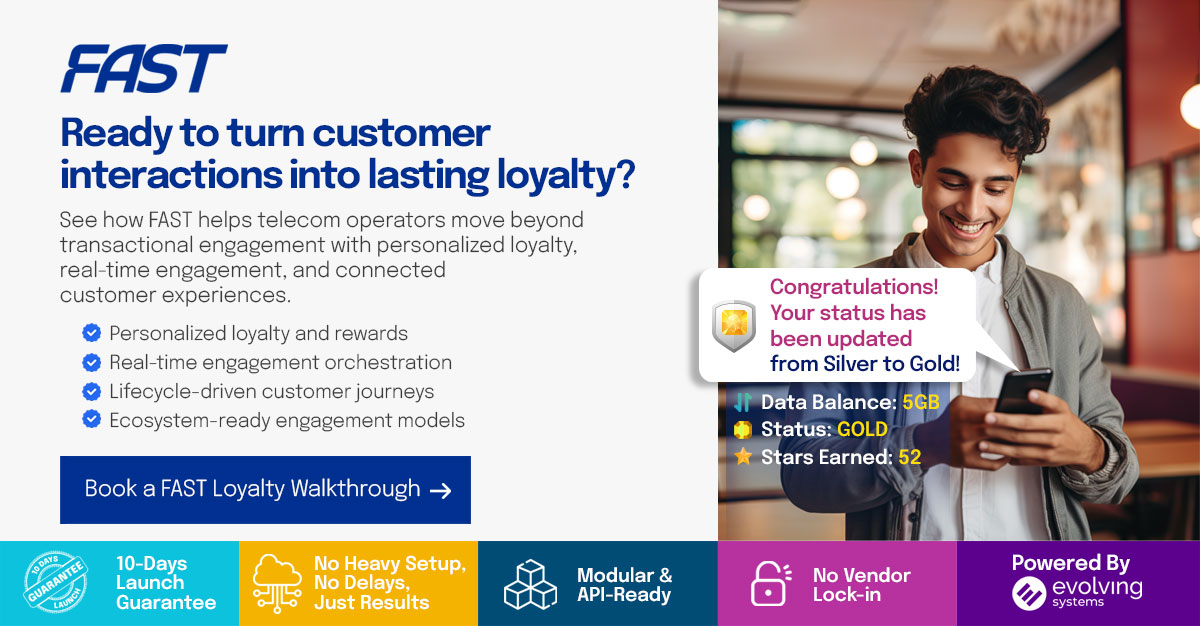
Telecom operators engage with customers almost every day. Whether it’s recharges, plan upgrades, usage alerts, support tickets, renewals, or promotional campaigns, interactions are constant and frequent.
Yet despite this high interaction volume, many telecom relationships remain fundamentally transactional.
Most engagement models are still built around operational events like billing cycles, prepaid validity, or recharge frequency. Communication often becomes reactive rather than relationship-driven. Customers hear from their operator primarily when they need to pay, renew, upgrade, or resolve a problem.
That approach worked when connectivity itself was the primary differentiator. Today, it no longer does.
Modern consumers evaluate telecom experiences against the digital ecosystems they interact with daily: fintech apps that personalize offers instantly, streaming platforms that predict preferences, and e-commerce platforms that continuously refine engagement around behavior and intent.
As competition intensifies and services become increasingly commoditized, telecom operators can no longer rely on connectivity alone to drive loyalty and retention. Engagement strategies must evolve from transactional interactions into continuous customer relationships.
Why Traditional Telecom Engagement Models Are Losing Relevance
For years, telecom engagement strategies were designed around operational efficiency and scale. Common approaches included:
- Mass promotional campaigns
- Broad customer segmentation
- Static recharge offers
- Periodic SMS-based engagement
- Loyalty models tied primarily to transactions
These models were effective in a market where customer expectations were relatively low and telecom adoption was still expanding rapidly.
But customer expectations have changed significantly.
Today’s users expect digital experiences that feel intuitive, relevant, and personalized. They want brands to understand usage patterns, preferences, and engagement behavior in real time.
A generic recharge reminder no longer creates value when customers are accustomed to personalized recommendations from streaming and commerce platforms. Similarly, static loyalty points often struggle to compete with dynamic reward ecosystems that offer lifestyle-oriented benefits and contextual incentives.
The challenge is not simply about offering more services. It is about delivering engagement that feels timely and relevant.
Modern telecom engagement increasingly needs to deliver:
- Personalized communication
- Context-aware recommendations
- Seamless digital journeys
- Omnichannel consistency
- Value beyond connectivity
Operators that continue relying heavily on broad campaigns and transactional touchpoints risk creating engagement fatigue rather than stronger customer relationships.
The Cost of Transaction-First Engagement
A transaction-first engagement strategy creates deeper long-term business challenges than many operators initially realize.
When customer interactions happen only around billing, recharges, or support needs, emotional loyalty remains weak. Customers begin viewing operators as interchangeable service providers rather than differentiated brands.
This has several consequences.
Increased Churn Sensitivity
Customers with low emotional connection are far more likely to switch providers for marginal pricing differences or promotional offers.
Without strong engagement depth, retention becomes increasingly dependent on discounts rather than customer experience.
Weak Service Differentiation
In highly competitive telecom markets, network quality and pricing gaps are narrowing rapidly. If engagement experiences remain similar across operators, differentiation becomes difficult to sustain.
Lower Customer Lifetime Value
Transactional engagement limits opportunities to:
- Cross-sell digital services
- Introduce ecosystem offerings
- Increase wallet share
- Expand long-term customer relationships
The result is reduced customer lifetime value and weaker monetization potential.
Campaign Fatigue
Customers today are exposed to constant digital communication across industries. Generic campaigns, repetitive offers, and irrelevant promotions can quickly lead to disengagement.
If every interaction feels promotional rather than valuable, customer attention declines over time.
The broader strategic risk is significant: operators that engage only around transactions remain utility providers instead of evolving into customer-centric digital brands.
The Shift Toward Relationship-Driven Engagement
Telecom engagement strategies are gradually evolving toward a more relationship-oriented approach.
Instead of focusing solely on individual campaigns or recharge cycles, operators are beginning to think in terms of long-term customer journeys and engagement ecosystems.
This shift changes engagement in several important ways.
From Event-Based to Continuous Engagement
Traditional engagement often activates around specific triggers like renewals or support issues.
Relationship-driven engagement focuses on maintaining ongoing relevance throughout the customer lifecycle through personalized experiences, proactive communication, and behavioral engagement.
From Mass Communication to Personalization
Operators are increasingly moving toward dynamic engagement models powered by customer behavior, usage insights, and contextual recommendations.
Rather than sending identical offers to large customer groups, engagement strategies are becoming more individualized.
From Telecom-Only to Ecosystem Experiences
Modern engagement is extending beyond connectivity itself.
Operators are increasingly exploring:
- Partner ecosystems
- Digital services integration
- Lifestyle-oriented rewards
- Content partnerships
- Financial and commerce collaborations
This allows telecom brands to remain relevant in customers’ everyday digital lives.
From Campaign Thinking to Lifecycle Thinking
The goal is no longer simply driving the next recharge.
The focus is shifting toward:
- Increasing long-term engagement depth
- Improving customer retention quality
- Expanding service adoption
- Building sustained customer value over time
As a result, customer lifecycle orchestration is becoming a strategic priority for many telecom operators.
Why Loyalty in Telecom Needs to Evolve
Traditional telecom loyalty programs were largely designed around transactional rewards.
Customers earned points through recharges, bill payments, or usage milestones. While these programs helped encourage repeat transactions, many struggled to create deeper engagement.
Common limitations included:
- Limited personalization
- Generic reward structures
- Low emotional relevance
- Minimal integration with customer behavior
- Benefits disconnected from everyday experiences
Today, loyalty expectations are changing.
Customers increasingly expect loyalty programs to deliver tangible and personalized value rather than isolated point accumulation systems.
As a result, operators are experimenting with newer engagement approaches such as:
- Lifestyle-focused rewards
- Partner-driven ecosystems
- Tiered loyalty experiences
- Gamified engagement models
- Personalized incentives
- Real-time offer orchestration
This evolution is important because loyalty is no longer just a retention mechanism.
It is increasingly becoming an engagement platform that helps operators deepen relationships, improve participation, and create more frequent customer interaction opportunities.
The operators that succeed will likely be the ones that make loyalty feel integrated into the customer’s broader digital experience rather than a disconnected telecom add-on.
The Role of Data and Real-Time Engagement
Relationship-driven engagement depends heavily on visibility, responsiveness, and contextual understanding.
To create relevant customer experiences at scale, operators need the ability to interpret customer behavior continuously and respond dynamically.
That requires capabilities such as:
- Unified customer visibility
- Real-time behavioral insights
- Dynamic customer segmentation
- Automated engagement workflows
- Lifecycle-based triggers
- Contextual recommendation engines
Historically, telecom data was often used primarily for reporting and operational analysis.
Today, its value increasingly lies in enabling real-time engagement decisions.
For example, operators can use behavioral insights to:
- Recommend plans based on usage patterns
- Trigger proactive retention campaigns
- Deliver personalized loyalty offers
- Improve onboarding journeys
- Identify disengagement signals early
The ability to orchestrate these engagement moments in real time is becoming central to customer experience strategy.
As telecom ecosystems grow more digital and customer expectations continue rising, engagement responsiveness will become just as important as service availability itself.
Enabling Relationship-Driven Engagement with FAST
Creating relationship-oriented engagement requires more than isolated campaigns or disconnected systems. Operators increasingly need integrated engagement capabilities that support continuous customer interactions across the lifecycle.
FAST supports a more connected and lifecycle-driven approach to telecom customer engagement through capabilities such as:
- Loyalty and rewards management
- Real-time engagement workflows
- Campaign orchestration
- Customer lifecycle visibility
- Personalized engagement capabilities
- Ecosystem and partner-driven loyalty models
Rather than treating engagement as a series of independent campaigns, FAST helps operators create more connected customer experiences that evolve with customer behavior and engagement patterns.
This allows operators to move beyond reactive communication models and toward more contextual, responsive, and relationship-focused engagement strategies.
As customer expectations continue evolving, the ability to unify engagement across channels, services, and lifecycle stages becomes increasingly important for long-term differentiation.
The Future of Telecom Engagement
Connectivity alone is becoming increasingly commoditized.
As pricing gaps narrow and network capabilities become more standardized, customer experience and engagement quality are emerging as critical differentiators.
Operators that continue treating engagement primarily as a transactional function risk becoming interchangeable providers competing mainly on price and promotions.
The next phase of telecom growth will likely belong to operators that build stronger, more personalized, and relationship-driven customer ecosystems.
That means shifting focus from isolated transactions to continuous engagement.
From campaigns to customer journeys.
And from connectivity providers to brands that actively participate in the customer’s broader digital experience.
In the years ahead, telecom engagement will not simply be about driving the next recharge. It will be about building relationships that customers choose to stay connected with over time.